
In a world where communication is key, mastering a new language can feel like trying to juggle flaming swords. Enter Google Translate, the trusty sidekick that swoops in to save the day, especially when it comes to translating English to Spanish. Whether you’re planning a trip to sunny Spain or trying to impress your Spanish-speaking friends, this tool can turn your linguistic blunders into smooth conversations faster than you can say “¿Dónde está la biblioteca?”
Overview of Google Translation
Google Translate serves as an essential tool for translating text between languages, especially from English to Spanish. It utilizes advanced algorithms to deliver quick and accurate translations, enabling users to understand and communicate effectively. With an intuitive interface, users can input phrases, paragraphs, or even entire web pages for translation.
The platform supports various features, including voice input and image translation. Voice input allows users to speak phrases, while image translation involves using a smartphone camera to translate text in real time. These features enhance user experience and make communication seamless.
Statistics show that Google Translate supports over 100 languages, including multiple dialects of Spanish. Spanish, a widely spoken language, receives regular updates and improvements, increasing translation accuracy. Google’s machine learning capabilities enable the system to improve continually based on user interactions.
While Google Translate excels in basic translations, nuances remain a challenge. Context plays a crucial role in accurate translations. For instance, idiomatic expressions may not always translate directly, leading to misunderstandings. Users focusing on nuanced meanings should consider consulting professional translators for complex sentences.
Security is another critical aspect of using Google Translate. The platform ensures that user data remains confidential, providing peace of mind during translation tasks. Businesses and individuals alike benefit from this secure environment when communicating across languages.
Overall, Google Translate streamlines the process of translating English to Spanish, bridging language gaps for various audiences. Its accessibility and ease of use make it a favorite among travelers, students, and professionals aiming to connect with Spanish speakers globally.
Key Features of Google Translation
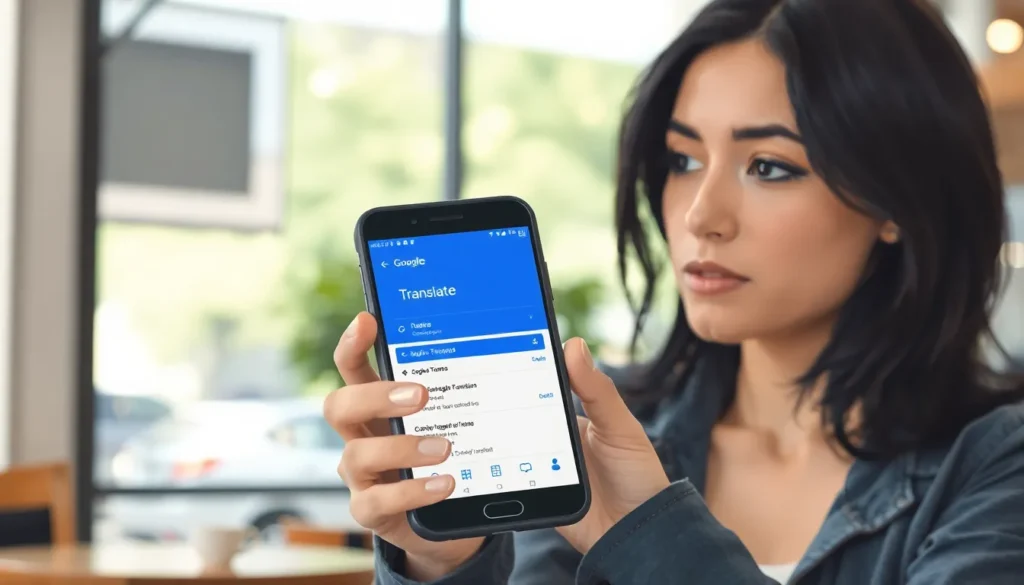
Google Translate boasts several key features that enhance its functionality for translating English to Spanish. These aspects empower users to engage with the platform effectively.
User Interface
Google Translate offers a user-friendly interface that simplifies the translation process. Users can access the tool on multiple platforms, including web and mobile applications. The design emphasizes ease of navigation, featuring a straightforward input box for text. Users can quickly switch between languages with a single click, streamlining their experience. Options for inputting text through voice and image enhance accessibility. This flexibility allows people to capture words and phrases in real-time, making translation convenient in various settings.
Translation Accuracy
Translation accuracy remains a vital feature of Google Translate. The platform utilizes advanced algorithms and machine learning for improved results. Users enjoy real-time translations, which support a wide array of dialects and idioms in Spanish. While common phrases often translate seamlessly, more complex sentences can present challenges. Contextual nuances may affect the precision of translations, so professional assistance could be necessary for intricate communication. Continuous updates ensure that the tool adapts and increases its reliability over time.
Language Support
Google Translate offers extensive support for English to Spanish translations, facilitating communication across various contexts. Users can convert single words, phrases, or full paragraphs, making it versatile for different needs. Accuracy in translating common expressions ranks high, though nuances may present challenges. Spanish dialects like Castilian, Latin American, and others are recognized, enhancing user experience. Using voice input and image translation, individuals can engage interactively, ensuring practical usage in everyday conversations. Machine learning features keep the tool updated for better results.
English to Spanish Capabilities
English to Spanish translation features a user-friendly interface, enabling seamless interaction. Phrases such as “How are you?” and “Thank you” translate accurately, catering to basic communication needs. More complex sentences may lack precision, highlighting potential pitfalls in nuanced contexts. Continuous improvements through user feedback help refine responses, enhancing overall accuracy. Rapid processing times ensure users receive instant translations, making this tool ideal for travelers or language learners seeking quick assistance.
Other Language Pairs
Beyond English and Spanish, Google Translate supports over 100 languages, including French, German, and Chinese. Each language pair benefits from similar features, including voice and image translation, enabling diverse communication styles. Users can switch effortlessly between languages, promoting inclusivity around the globe. Many popular phrases and idioms translate effectively, yet, some languages require professional translators for intricate expressions. The platform’s adaptability allows individuals to connect with speakers from various cultures, fostering a global conversation network.
Comparison with Other Translation Tools
Google Translate stands out compared to alternative translation tools due to its comprehensive features and wide language support.
Advantages of Google Translation
Google Translate offers quick translations for over 100 languages, making it accessible for users globally. With a user-friendly interface, individuals can easily switch between languages, and input different formats like text, voice, and images. The platform excels at translating common phrases accurately, which benefits travelers and casual users. Integration with other Google services enhances its utility, allowing for seamless translation across different contexts. Continuous machine learning improvements keep the translations up to date, ensuring users receive better results over time.
Limitations of Google Translation
Despite its strengths, Google Translate faces challenges with complex sentences. Nuances in language often lead to inaccuracies, particularly with idiomatic expressions. Contextual understanding remains a barrier, and translations might lack depth or cultural relevance. Sometimes, professional translators are necessary for critical documents. Security concerns also arise since users may be wary of sharing sensitive information on a platform. These limitations highlight the importance of recognizing when to rely on Google Translate versus seeking expert assistance for detailed or context-heavy translations.
Real-World Applications
Google Translate serves valuable functions in everyday life, catering to diverse needs across personal and professional contexts.
Personal Use
Travelers use Google Translate for straightforward communication when exploring Spanish-speaking countries. It facilitates simple interactions like ordering food or asking for directions. Families utilize the tool to connect with Spanish-speaking relatives, enhancing meaningful conversations. Students also rely on it for quick translations of informal texts, helping with homework and language practice. Each interaction becomes smoother, easing potential language barriers. Using Google Translate, individuals find confidence in navigating social settings, enriching their experiences.
Professional Use
Professionals benefit from Google Translate in various business settings. Companies use the tool for translating emails and documents, streamlining communication with Spanish-speaking clients. Marketers utilize it to adapt content for diverse audiences, ensuring effective messaging across cultures. Industries like tourism employ Google Translate for customer support, providing instant responses in multiple languages. Events and conferences also see value in real-time translations, fostering inclusivity among participants. As a result, using this tool often enhances workplace collaboration with diverse teams, driving productivity forward.
Google Translate serves as a powerful ally for anyone looking to bridge the language gap between English and Spanish. Its user-friendly features and advanced algorithms make it an accessible tool for various needs. Whether for travel, personal communication, or professional interactions, it simplifies the translation process and enhances understanding.
While it excels in basic translations, users should remain aware of its limitations regarding context and nuance. For complex sentences or sensitive information, consulting a professional translator is advisable. With continuous improvements and support for diverse dialects, Google Translate remains a vital resource for effective communication in an increasingly interconnected world.