In the realm of dark fantasy, few titles capture the imagination like Diablo IV. This latest installment in the iconic series plunges players into a haunting world filled with sinister creatures, treacherous landscapes, and a rich tapestry of lore. As players navigate the shadowy depths of Sanctuary, they confront not only formidable foes but also the darker aspects of their own humanity.
Diablo IV redefines the genre by blending immersive storytelling with engaging gameplay. Its atmospheric graphics and chilling soundtrack create an experience that pulls players into a nightmarish adventure. With every quest and battle, they uncover the grim history of the world and the relentless struggle between light and darkness. This article delves into the captivating elements that make Diablo IV a benchmark in dark fantasy gaming, exploring its themes, characters, and the eerie allure that keeps players returning for more.
Overview of Diablo IV Dark Fantasy
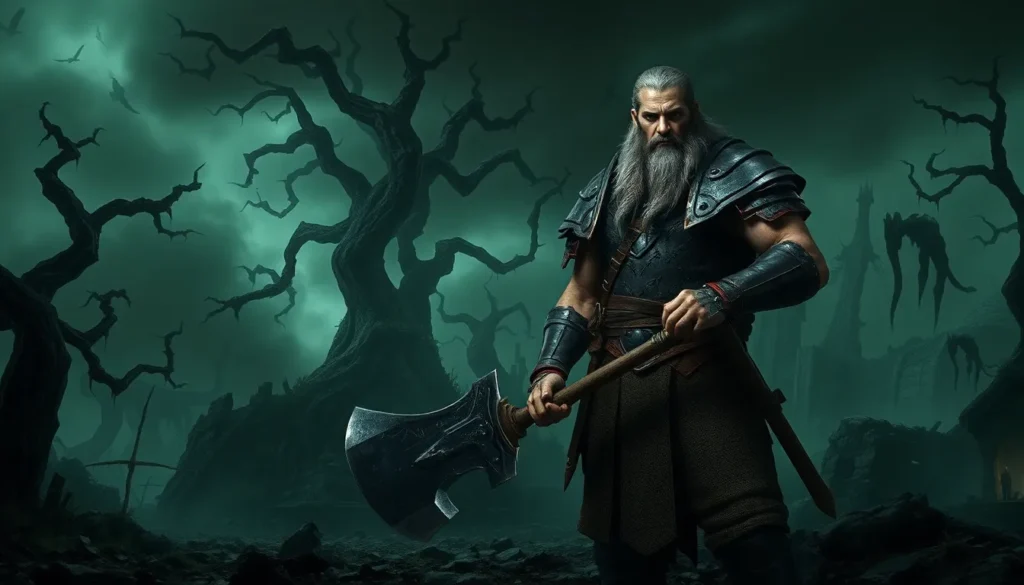
Diablo IV immerses players in a dark fantasy world characterized by gritty themes and a profound atmosphere. This installment features a rich narrative that delves into the sinister lore of Sanctuary, where despair and chaos prevail. Players encounter harrowing environments, including cursed forests and decaying ruins, highlighting the omnipresent threat of evil.
The haunting soundtrack complements the striking visuals, amplifying the immersive experience. Players navigate through intricately designed landscapes, each teeming with lurking dangers and grotesque enemies. Encounters with demonic entities, such as the notorious Lilith, challenge players to confront their deepest fears and moral dilemmas.
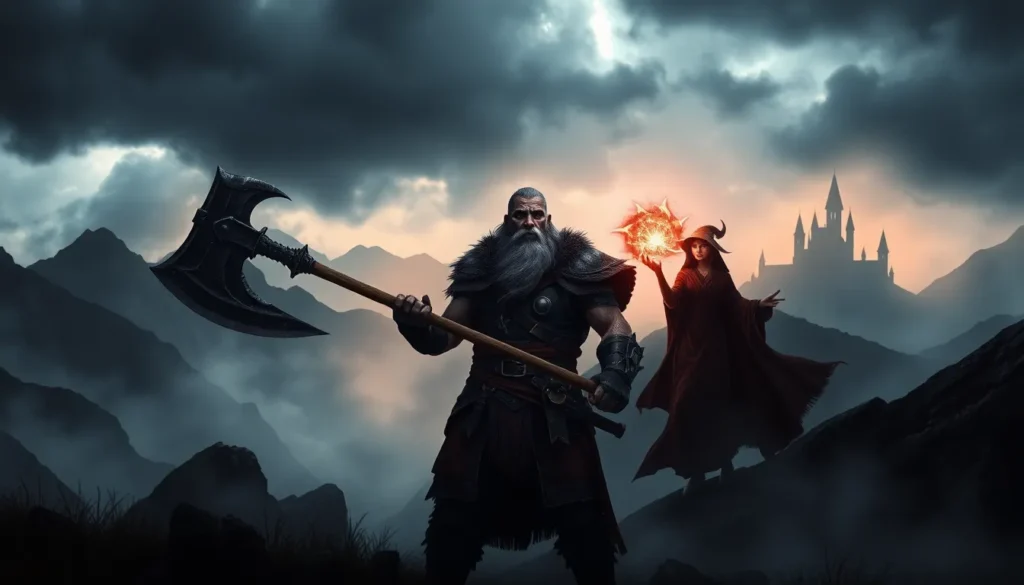
The character classes, each embodying unique skills and narratives, further reinforce the dark fantasy theme. For instance, the Fearless Barbarian and the Mysterious Sorceress offer distinct playstyles while grappling with their own potential for darkness.
Quests intertwine personal struggles with broader conflicts, revealing the complexity of choices made in a world where light and shadow are in constant flux. Diablo IV captures the essence of dark fantasy through its storytelling, environments, and character development, inviting players to explore the fine line between heroism and villainy.
Key Themes in Diablo IV
Diablo IV incorporates several compelling themes that reinforce its dark fantasy essence. The game’s narrative intricately explores the complexities of morality and the human condition, illustrating the eternal conflict between light and dark.
The Struggle Between Good and Evil
The game presents a profound struggle between good and evil, embodied through its characters and narratives. Heroes confront their inner demons while facing formidable adversaries representing chaos and malevolence. The character classes, such as the Fearless Barbarian and the Mysterious Sorceress, navigate this moral landscape, showcasing unique abilities that reflect their personal journeys. Quests challenge players to make difficult choices, emphasizing the ambiguity of morality in a world where intentions often blur.
The Importance of Sacrifice
Sacrifice plays a critical role in the storylines of Diablo IV. Characters often face harrowing decisions that require giving up personal desires or even lives for the greater good. This theme manifests in quests and character development, reinforcing the price of heroism in contrast to selfish motives. The grim atmosphere punctuates these sacrifices, enhancing the narrative weight and shaping player experiences throughout their journey in the haunting world of Sanctuary.
Visual Aesthetics of Diablo IV
Diablo IV’s visual aesthetics play a crucial role in establishing its dark fantasy ambiance. The game features striking art that captures the essence of its haunting world, enhancing players’ emotional immersion.
Art Style and Design Elements
Art style defines Diablo IV’s identity, blending realism with stylized elements to create a uniquely dark atmosphere. Characters, such as the Fearless Barbarian, exhibit intricate designs that reflect their backgrounds and personalities. Environments feature detailed textures, from decaying ruins to cursed forests, each meticulously rendered to evoke a sense of dread. Color palettes use subdued shades, primarily grays and deep reds, to set a grim tone. Additionally, lighting effects, including flickering shadows and ominous glows, contribute to an unsettling yet captivating visual experience.
Atmosphere and Immersion
Atmosphere amplifies the immersive experience in Diablo IV. Ambient sounds, such as distant echoes and haunting whispers, enhance tension while players navigate perilous landscapes. Dynamic weather systems, including storms and fog, further enrich the environment by adding unpredictability to gameplay. The chilling soundtrack, composed of unsettling melodies and eerie soundscapes, reinforces the game’s dark narrative. Together, these elements create an emotional tapestry that invites players deeper into Sanctuary’s grim lore, fostering a profound sense of engagement as they confront moral dilemmas and encounter sinister forces.
Character Development and Storytelling
Diablo IV excels in character development and storytelling, immersing players in a haunting narrative where every character embodies the dark fantasy theme. The game weaves complex characters into its rich lore, enhancing the overall experience.
Protagonists and Antagonists
Protagonists in Diablo IV, such as the Fearless Barbarian and the Mysterious Sorceress, reflect the game’s dark themes through their intricate backstories and skills. Each character’s unique abilities not only define their playstyle but also connect to the overarching narrative. Players witness their struggles and evolution, confronting personal traumas and moral dilemmas.
Antagonists, like Lilith, embody chaos and malevolence, showcasing the darker aspects of humanity. Villains are not mere obstacles; they possess depth, challenging players’ perceptions of good and evil. The dynamic between heroes and adversaries emphasizes the ongoing conflict between light and darkness, fostering a sense of tension and urgency in the player’s journey.
Narrative Techniques
Diablo IV employs various narrative techniques to enhance storytelling. Non-linear storytelling allows players to uncover lore through exploration and quest completion. Environmental storytelling subtly reveals the history of Sanctuary, adding layers to the experience.
Character dialogue, rich with lore, allows for deeper engagement. Players learn about motivations and histories through interactions, forging connections with both allies and enemies. Quests blend personal arcs with larger narratives, showcasing the impact of choices. This interconnectivity creates a compelling tapestry of stories, where player decisions ripple throughout the dark world, reinforcing the complexity of the struggle between good and evil.
Gameplay Mechanics in the Dark Fantasy Setting
Diablo IV features intricate gameplay mechanics that immerse players in a dark fantasy experience. The game’s combat and exploration systems enhance the atmosphere, driving engagement while navigating the eerie world of Sanctuary.
Combat System and Dynamics
Diablo IV’s combat system emphasizes fluidity and variety, integrating both melee and ranged combat. Characters utilize unique skills tailored to their classes, such as the Fearless Barbarian’s brute strength and the Mysterious Sorceress’s mastery of elemental magic. Players can customize their abilities, creating diverse build options that cater to individual playstyles.
Enemies showcase sophisticated AI, adapting to player strategies and maintaining a constant sense of challenge. Skill combinations can unleash devastating attacks, while cooperative play enhances the experience, allowing teams to devise strategies for overcoming formidable foes. Dynamic environmental interactions, such as destructible terrain, further enrich combat dynamics, ensuring that every encounter feels fresh and intense.
Exploration and World-Building
Exploration in Diablo IV invites players to traverse meticulously crafted environments, from cursed forests to decaying ruins. Each area harbors unique lore and secrets, encouraging thorough investigation. Players uncover hidden quests, gather resources, and confront unexpected dangers, contributing to a deeper understanding of Sanctuary’s grim history.
The world-building is characterized by a dark aesthetic, where every location reinforces the overarching themes of despair and chaos. Dynamic weather patterns and day-night cycles enhance immersion, affecting both gameplay and atmosphere. Environmental storytelling elements, such as remnants of past battles or cryptic inscriptions, enrich the player’s journey, while meticulously designed interiors of castles and dungeons add depth to exploration.
Diablo IV stands as a testament to the allure of dark fantasy in gaming. Its rich narrative and atmospheric design draw players into a world where every choice holds weight. The interplay between light and darkness creates a captivating tension that resonates throughout the gameplay experience.
As players navigate the haunting landscapes of Sanctuary, they confront not only formidable foes but also their own inner demons. The game’s intricate character development and immersive storytelling ensure that each journey feels personal and impactful. With its stunning visuals and dynamic gameplay, Diablo IV invites players to embrace the darkness while exploring the complexities of good and evil. This dark fantasy masterpiece continues to redefine the genre and captivate audiences worldwide.