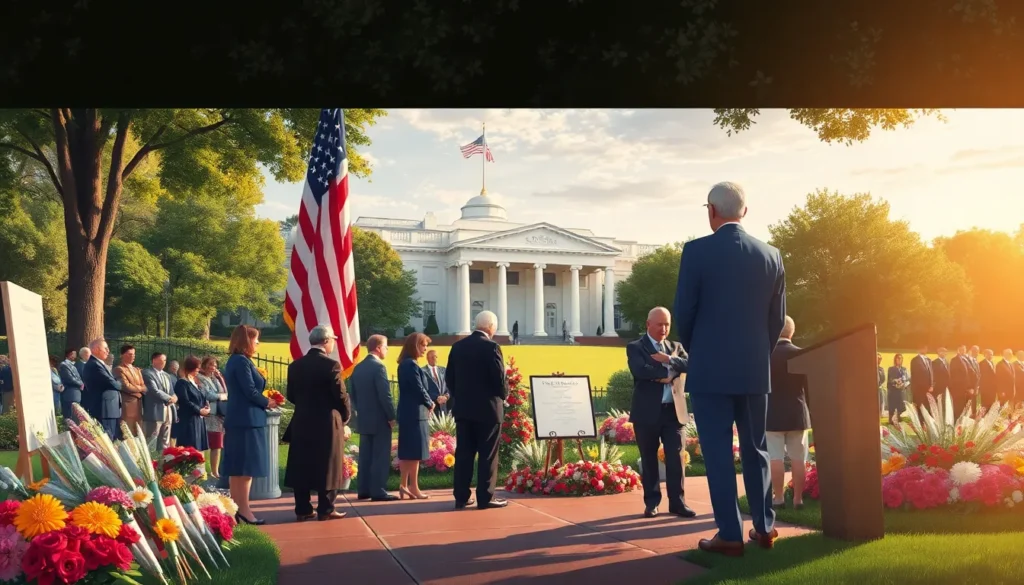
As the nation prepares to bid farewell to former President Jimmy Carter, speculation swirls around who’ll show up to pay their respects. Among the names on everyone’s lips is Donald Trump. Will he grace the occasion with his presence or opt for a golf game instead? It’s a question that’s got political pundits and casual observers alike scratching their heads.
Overview of the Situation
Current speculation surrounds former President Jimmy Carter’s upcoming farewell. Interest focuses on whether Donald Trump will attend the event. Trump possesses a complex history with Carter, contributing to ongoing discussions. Many wonder if he prioritizes the farewell over his preferred golf outings.
Political analysts scrutinize Trump’s past actions during major events. He frequently opts for leisure activities when significant occasions occur. The stark contrast between these choices adds to the intrigue. Some experts believe his attendance could signal unity in a divided political landscape. Others argue a no-show may underscore ongoing rifts in the Republican Party.
Several factors influence Trump’s decision. His public image plays a crucial role in how he navigates high-profile events. Attendance could resonate positively among certain voter demographics. Conversely, staying away might please his more conservative base, which values unpredictability.
Recent statements from Trump hint at a reluctance to engage in political traditions. These traditions often involve displaying respect, complicating his stance. Observers anticipate potential social media commentary, regardless of his decision. Trump’s responses could shift public perception, regardless of whether he attends.
Time constraints could also impact the decision. Scheduling conflicts with prior engagements often arise for prominent figures. Therefore, many wonder if Trump can accommodate the farewell within his agenda. The evolving situation continues to captivate both supporters and critics alike. Understanding these dynamics will foster deeper insights into this unfolding narrative.
Background on Jimmy Carter

Jimmy Carter served as the 39th President of the United States from 1977 to 1981. His presidency is marked by significant achievements in diplomacy and humanitarian efforts.
Key Achievements and Legacy
Carter’s notable accomplishments include the Camp David Accords, which brokered peace between Israel and Egypt. He emphasized human rights, focusing on global issues like poverty and disease. His establishment of the Department of Energy and the Department of Education represented major strides in domestic policy. After leaving office, Carter remained active in philanthropy through the Carter Center, which addresses global health and democracy issues. His dedication to service earned him the Nobel Peace Prize in 2002, solidifying his legacy as a champion of peace and humanitarian work.
Health Status and Recent Events
In recent years, Carter’s health has drawn attention. He became the longest-living U.S. president, surpassing 98 years of age. Reports indicate that he has faced various health challenges, including a diagnosis of cancer in 2015. Interestingly, he has managed to maintain a positive outlook, often engaging in public events when possible. Recently, Carter received hospice care, a decision reflecting his family’s priorities. Family members expressed gratitude for the support and love surrounding him during this time.
Trump’s Relationship with Carter
Trump’s connection with Carter reveals a fascinating political dynamic.
Historical Context
Trump’s views on Carter often encompass admiration for his humanitarian efforts and criticism of his presidency. During conversations, Trump acknowledged Carter’s contributions to diplomatic relations, particularly the Camp David Accords. Carter emphasized human rights, influencing global policies. Trump’s business background diverged from Carter’s political ideology, with many debates surrounding their approaches to governance. Their interactions highlight the contrasts in leadership styles, influencing their public perceptions. Despite differing philosophies, both figures represent significant chapters in U.S. history.
Recent Interactions
Recent interactions between Trump and Carter reflect a complex relationship marked by ambivalence. While Trump has made occasional remarks about Carter, these comments often fluctuate between praise and critique. In 2020, Trump referred to Carter’s presidency as ineffective, which sparked discussions among political analysts. Additionally, Trump’s comments during interviews have drawn contrasts between their legacies. Despite this, Trump’s occasional acknowledgment of Carter’s charitable endeavors reveals an underlying respect. Observers note that these interactions shape public expectations regarding Trump’s potential attendance at Carter’s funeral.
Potential Implications of Trump’s Attendance
Trump’s attendance at Carter’s funeral could carry significant weight in the political arena.
Political Ramifications
Attendance may bridge divides within the Republican Party. Showing up could suggest a willingness to unite factions, signaling a potential shift in party dynamics. Trump’s presence might urge more moderate Republicans to embrace bipartisan efforts. Conversely, skipping the event could amplify ongoing tensions among party members, reinforcing existing rifts. Trump’s choices often resonate deeply, affecting party strategies leading into future elections. Political analysts will closely watch his decision for broader implications on voter sentiments and party cohesion.
Public Perception
How the public views Trump’s attendance could influence his image significantly. Attending could earn him respect from some voters, showcasing a sense of solidarity with former leaders. Many might interpret his presence as a sign of maturity and respect for American traditions. On the other hand, a no-show might foster criticism, particularly from those who view it as a disregard for bipartisan customs. Public opinion can sway easily based on such high-profile actions, impacting Trump’s approval ratings in evolving political landscapes. His attendance or absence will likely shape how supporters and critics perceive him in the long term.
Alternatives to Trump’s Attendance
If Trump skips Jimmy Carter’s funeral, notable figures might still represent the political spectrum.
Notable Figures Who May Attend
Many prominent politicians are likely to attend, showcasing their respect for Carter’s legacy. President Joe Biden is expected, given his deep admiration for Carter’s humanitarian work. Former President Barack Obama may also make an appearance, honoring a leader who prioritized civil rights and diplomacy. Additionally, former Vice President Mike Pence could attend, reflecting a commitment to bipartisan unity.
Media Reactions
Media narratives surrounding Trump’s attendance contribute to the public’s perception. Some outlets speculate that skipping the funeral might alienate moderate Republicans, while others argue it could reinforce his support among die-hard followers. Coverage often highlights the potential consequences of his decision, underscoring how it could either bridge gaps or deepen divides within the party. Observers will monitor reactions closely, analyzing how different media outlets frame Trump’s absence or presence at the event.
The speculation surrounding Donald Trump’s potential attendance at Jimmy Carter’s funeral remains a topic of interest. His decision could have far-reaching implications for the Republican Party and public perception. Whether he chooses to attend or not will likely reflect his stance on unity and bipartisanship in a politically charged environment. As notable figures prepare to honor Carter’s legacy, all eyes will be on Trump and the impact of his actions on both his supporters and critics. The unfolding narrative will undoubtedly shape the political landscape in the days to come.